Quick Summary
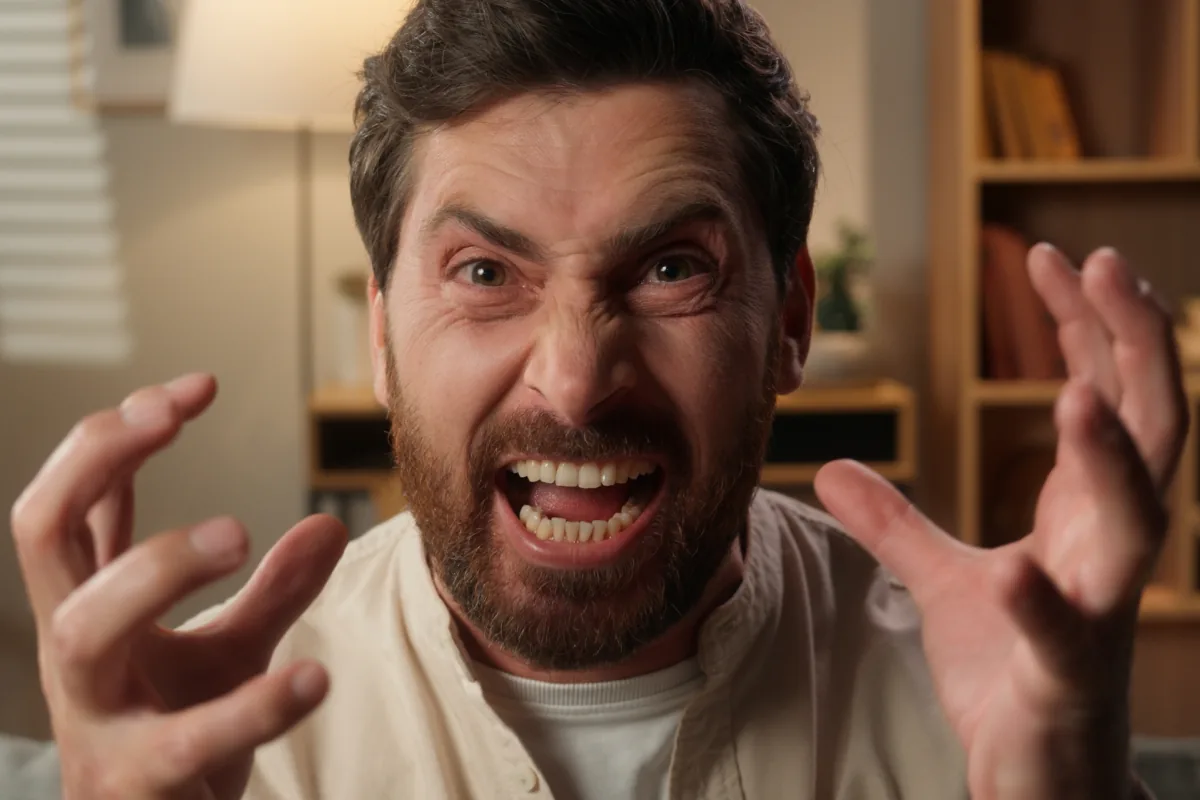
Anger is a normal human emotion, and persistent anger can point to a deeper mental health concern when it stays active for weeks or months and begins affecting daily life. For many men, ongoing irritability is connected to depression, anxiety, trauma, ADHD, bipolar disorder, or chronic stress that has gone untreated. Temporary anger usually has a clear trigger, rises, and settles once the situation passes. Clinical anger tends to linger across settings, show up in situations that used to feel manageable, and create problems in relationships, sleep, work, and self-control. Understanding the difference can help men and their families recognize when structured outpatient mental health treatment may be needed.
- Temporary anger usually has a clear trigger and settles after the situation passes
- Chronic anger can spread across home life, work, parenting, relationships, and sleep
- Men may experience depression, anxiety, trauma, ADHD, or bipolar disorder through irritability and anger
- Anger management is most effective when treatment also addresses the mental health concern driving the reaction
When Anger Becomes a Persistent Mental Health Symptom
Most anger has a recognizable path. A problem happens, your body reacts, the feeling rises, and your system gradually comes back down. In that form, anger can help you notice a boundary, respond to pressure, or pay attention to something that needs to change. It has a clear source, and once the moment passes, the emotional intensity begins to fade.
Persistent anger follows a different pattern. It can sit in the background throughout the day and shape how you respond to ordinary situations. Traffic, a slow checkout line, a question from your child, or a tense moment with your partner may bring up a reaction that feels faster and stronger than expected. The anger may take longer to settle, and the aftermath may bring guilt, embarrassment, or a sense that you are losing control of yourself.
Into The Light provides structured anger management treatment for men in Redlands for men who want to understand why anger keeps returning and how to respond with more control. Treatment looks at the anger itself along with the concerns that may be feeding it, including anxiety, depression, trauma, ADHD, bipolar disorder, family stress, or work pressure. Skills can help men interrupt reactions, and deeper clinical work helps reduce the force behind those reactions.
Why Men Often Show Depression, Anxiety, or Trauma Through Anger
Many men learn early that anger feels safer to show than fear, sadness, shame, or grief. The American Psychological Association has discussed how anger can become a more socially acceptable way for men to express vulnerable emotions. Over time, emotional pain may come out through impatience, criticism, withdrawal, defensiveness, or a short temper.
This is one reason a man may say he does not feel depressed or anxious while describing a home life, workday, or relationship pattern shaped by anger. The anger is real, and it may also be connected to a mental health condition that has gone untreated. Depression can appear as irritability and low tolerance. Anxiety can keep the body scanning for problems. ADHD can make frustration harder to regulate. Bipolar disorder can intensify mood shifts. Trauma can train the body to react quickly to perceived threat.
Trauma plays an important role for many men with chronic anger. Past experiences can leave the body ready to defend itself long after the original danger has passed. Trauma-informed care for men helps identify the link between past experiences, current triggers, and present-day reactions. The work focuses on accountability, emotional regulation, and safer responses without treating anger as a personal flaw.
Signs Anger May Be More Than Everyday Stress
There is no single test that proves anger has become a clinical concern. Several patterns can help men and families recognize when support may be needed. Duration is one of the clearest signs. Anger tied to a specific situation usually fades within minutes or hours. Anger connected to depression, anxiety, trauma, or another mental health concern may continue for weeks or months and become part of a person’s daily mood.
Intensity is another major signal of clinical anger. Things like a small inconvenience may lead to a reaction that feels too large for the moment, a brief comment, delay, mistake, or change in plans may lead to yelling, shutting down, harsh criticism, or hours of tension. Over time, the people around the angry person may start planning around the mood in the room.
The strongest signal of clinical anger is cost. Anger has become a serious concern when it damages trust, makes family members guarded, affects parenting, creates problems at work, or disrupts sleep. Loss of control is another warning sign to be wary of. When the gap between trigger and reaction keeps shrinking, anger can begin to feel automatic. Men who recognize several of these signs may relate to the patterns described in our breakdown of how anger in men often masks deeper emotional struggles.
How Chronic Anger Affects Health, Work, and Relationships
Sustained anger keeps the body under pressure. Muscles stay tense, sleep becomes lighter, headaches may become more frequent, and the body can feel restless or wired even during quiet moments. The National Institute of Mental Health recognizes irritability and anger as common signs of men’s mental health concerns. Many men keep functioning through these symptoms until the strain begins to affect their health, relationships, or work.
The impact on relationships can build gradually. A partner may choose words carefully to avoid conflict. Children may become quieter when they sense anger rising. Friends may reach out less often. Coworkers may avoid direct conversations. Distance can grow slowly enough that a man only notices after trust has already changed. Many men seek help after one moment becomes difficult to ignore, such as an argument that went further than intended, a child’s reaction, a partner reaching a limit, or a workplace conflict that threatens stability.
Why Anger Management Works Best With Mental Health Treatment
Anger management tools can make a real difference. Men can learn to notice early physical cues, pause before reacting, name the emotion underneath the anger, cope with that uncomfortable emotion, communicate more clearly, and repair after conflict. These skills can reduce damage in the moment and help men build more control during stressful situations.
When anger is connected to depression, anxiety, trauma, ADHD, bipolar disorder, or another mental health condition, skill-building needs support from deeper clinical care. A man may know the right tool and still lose access to it during a stressful week, a conflict at home, a trauma trigger, or a major setback at work. That pattern often means the body is carrying more pressure than surface-level coping skills can manage on their own.
Treatment for chronic anger often combines practical tools with care for the condition beneath the reaction. Cognitive behavioral therapy can help men identify thought patterns that escalate anger. Dialectical behavior therapy can build tolerance for intense emotions and improve communication during conflict. Trauma-focused work can help lower the reactivity that makes anger feel immediate. At Into The Light, assessment looks at what is driving the anger, how long the pattern has been building, and what level of outpatient support fits. Some men benefit from weekly therapy, and others need the added structure of an intensive outpatient program for men managing intrusive thoughts and compulsions with support several times a week.
Get Support for Men’s Anger and Mental Health at Into The Light
Persistent anger deserves attention when it has been present for weeks, feels difficult to control, or starts affecting the people and responsibilities you care about. The clearest signs include repeated conflict, damaged trust, guarded family members, disrupted sleep, trouble at work, and a growing fear that one reaction could create lasting consequences.
Into The Light offers men’s outpatient mental health treatment in Redlands for men who want to understand what is driving their anger and build safer, more stable ways to respond. A confidential call to reach our team in Redlands can help you learn what an assessment involves and what level of care may fit your situation. The first step can be a conversation.