Quick Summary
Sleep loss can intensify anxiety, depression, irritability, anger, ADHD symptoms, trauma responses, and everyday stress. A few rough nights can turn into weeks of lower patience, weaker focus, heavier mood, and more conflict at home or work. For many men, disrupted sleep is one of the earliest signs that their mental health needs support, especially when insomnia keeps returning or lasts long enough to affect daily functioning.
- Sleep disruption can worsen depression, anxiety, anger, ADHD symptoms, and PTSD within a short period of time
- Men often dismiss poor sleep as work stress, a busy schedule, or something they should be able to push through
- Insomnia that lasts longer than three weeks may point to an underlying mental health condition, medical issue, or chronic stress pattern
- Sleep hygiene can support better rest, although ongoing insomnia tied to mental health usually needs clinical support
How Sleep Loss Worsens Mental Health Symptoms in Men
Mental health symptoms can feel manageable until sleep starts breaking down. Low mood, anxiety, post-traumatic stress, ADHD symptoms, and anger often become harder to control after several nights of poor sleep. A man may still be showing up for work, family, and responsibilities, while his patience, concentration, and emotional regulation are steadily wearing down.
Sleep helps the brain process emotion, manage threat responses, store memory, and make decisions. According to the Centers for Disease Control and Prevention, good sleep supports emotional well-being, stress regulation, mood, attention, and memory. When sleep is limited, the brain has less capacity to slow down fear, anger, frustration, and worry. Ordinary stress can begin to feel larger, conversations can feel more tense, and small problems can take more energy than they usually would.
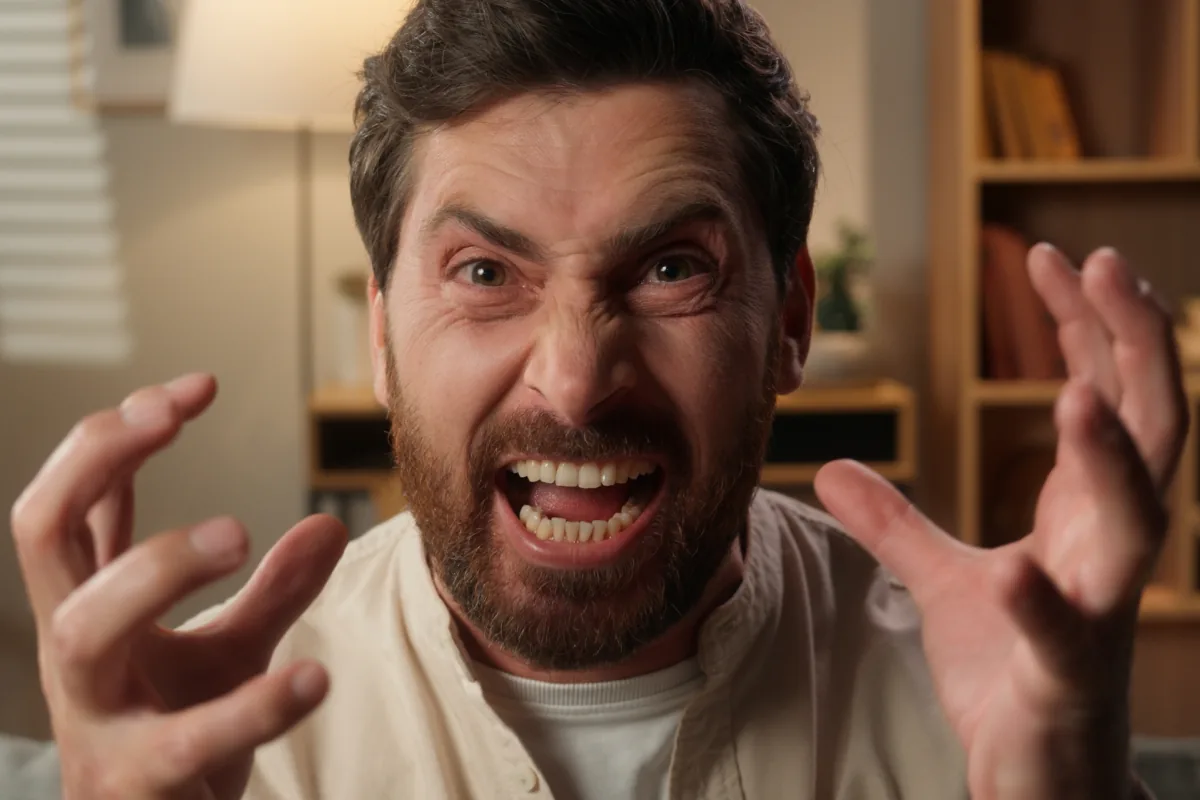
For many men, including veterans, the first visible signs are irritability, withdrawal, shutdown, or anger. A man may notice that he is snapping at people, avoiding responsibilities, or losing patience faster before he connects those changes to poor sleep. At Into The Light, treatment for insomnia in men can help identify how sleep disruption connects with anxiety, depression, PTSD, ADHD, chronic stress, or other mental health concerns.
Why Men Often Ignore Insomnia and Sleep Disruption
Many working-age men explain sleep loss as part of being busy. They may assume that a lighter week, a weekend off, or one long night of rest will fix the pattern. Repeated sleep loss affects mood, attention, stress tolerance, physical health, and decision-making day after day. The longer the pattern continues, the harder it becomes to separate exhaustion from anxiety, depression, anger, or burnout.
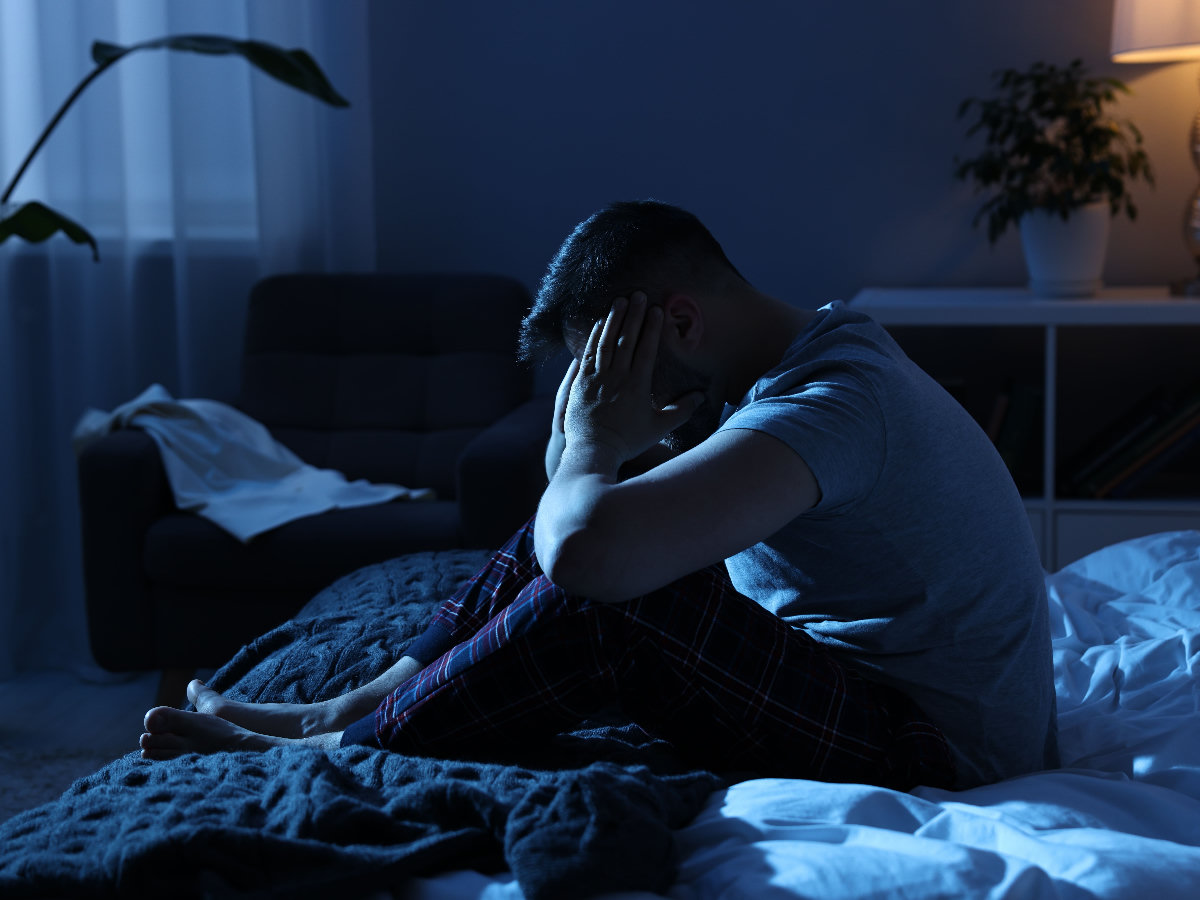
The early signs are often easy to minimize. A man may wake up at 3 a.m., check his phone, fall back asleep close to morning, and still get up for work when the alarm goes off. At first, he may feel slightly off. Over time, the same pattern can lead to lower motivation, shorter patience, more anxiety, heavier mood, and a stronger sense that ordinary responsibilities require too much effort.
By the time many men recognize sleep as part of the problem, the pattern has often been active for months. What began during a stressful season may now be affecting emotional control, relationships, work performance, and the symptoms of an underlying mental health condition.
How Poor Sleep Affects Depression, Anxiety, PTSD, ADHD, and Anger
Sleep disruption affects mental health conditions in different ways, and the pattern can help clarify what type of support may be appropriate. For depression, poor sleep can deepen low mood, lower motivation, increase fatigue, and make hopeless thoughts more persistent. The National Institute of Mental Health notes that depression can affect how a person feels, thinks, sleeps, eats, works, and handles daily activities. Many men who need men’s depression treatment first seek help because of insomnia, exhaustion, irritability, or loss of interest.
For anxiety, poor sleep raises the body’s baseline stress response, making ordinary worries feel more urgent and harder to interrupt at night. Anxiety treatment for men often includes sleep support because anxiety and insomnia can reinforce the same stress cycle. For PTSD, disrupted sleep can keep the nervous system activated, increasing nightmares, hypervigilance, and daytime trauma symptoms.
For ADHD, poor sleep can intensify problems with focus, planning, emotional control, and impulse management, which may make symptoms feel more severe than usual. For anger and irritability, sleep loss often reduces the time between frustration and reaction, making conflict harder to recover from and repair.
When Insomnia May Point to a Deeper Mental Health Concern
Many clinicians pay close attention when sleep disruption lasts longer than a few weeks. Sleep Education by the AASM describes insomnia as difficulty falling asleep or staying asleep even when someone has the opportunity to get a full night of sleep. Trouble falling asleep, staying asleep, or waking too early for more than three weeks can signal that insomnia needs a closer clinical look, especially when stress alone does not fully explain the pattern.
Sleep problems may be tied to anxiety, depression, PTSD, ADHD, bipolar disorder, chronic stress, medication effects, caffeine, alcohol, cannabis, sleep apnea, or ongoing relationship strain. A clinical assessment can sort through these possibilities and connect the sleep issue to the larger mental health picture.
At the three-week point, a structured conversation with a professional is often more useful than another sleep app or another attempt to force rest. A full assessment can look at sleep, mood, stress, medical factors, and daily functioning together, then help determine whether outpatient mental health treatment, IOP, psychiatry, medication management, or another support option fits.
What Men Can Expect From Treatment for Sleep and Mental Health
For men who enter mental health treatment because sleep has become a major concern, progress usually builds over several weeks. The first shift is that sleep gets evaluated as a clinical signal. A psychiatrist or clinician may review current medications, discuss health concerns, screen for possible sleep apnea when appropriate, and consider short-term medication support when it fits the person’s needs.
Depression, anxiety, PTSD, ADHD, OCD, bipolar disorder, or another condition may be contributing to insomnia, and for men newly confronting a diagnosis, understanding schizophrenia causes, symptoms, and what to expect can be a clarifying part of that clinical picture. Once the condition has a name and a treatment plan, sleep often improves as symptoms become more manageable and the nervous system becomes less activated.
Treatment can also replace late-night coping patterns that keep the brain alert, including scrolling, drinking, working late, isolating, or repeatedly checking the time. Our comprehensive mental health care for men in Redlands gives men practical alternatives through therapy, structure, medication management when appropriate, and consistent clinical support, while helping build a routine that protects sleep as part of long-term mental wellness.
Why Sleep Hygiene Alone May Not Fix Insomnia
Practicing sleep wellness strategies, such as a consistent bedtime, a cool and dark room, less screen time before bed, and reduced caffeine later in the day can all support healthier sleep, especially when sleep disruption is new or mild. For men whose insomnia is connected to an active mental health condition, though, basic sleep changes may have limited effect.
A man can follow a steady bedtime routine and still lie awake if anxiety, depression, trauma, ADHD symptoms, bipolar symptoms, or chronic stress keeps the nervous system activated. Lasting improvement usually depends on treating the condition that is disrupting sleep.
Structured outpatient mental health care for men can support that process, where therapy, psychiatry, medication management, EMDR, biofeedback, and holistic support may all play a role depending on the man’s symptoms, goals, and treatment plan.
Talk With Into The Light About Sleep and Mental Health Support
Sleep problems that last more than three weeks deserve attention, especially when mood, anxiety, anger, focus, work performance, or relationships are getting worse at the same time. Into The Light offers outpatient and intensive outpatient mental health treatment for men in Redlands and Southern California, with support for insomnia, depression, anxiety, PTSD, ADHD, OCD, bipolar disorder, schizophrenia, and related concerns.
A confidential conversation with Into The Light can help you understand what may be driving the sleep disruption and what kind of support fits your life right now. If exhaustion is starting to affect how you think, work, react, or connect with people, reach out to Into The Light to talk through what treatment could look like. Sleep loss does not have to keep setting the pace for your days, your relationships, or your mental health.